
The Coptic Orthodox Church is one of the oldest Christian Churches in the world, rooted in the apostolic preaching of Saint Mark the Evangelist, who brought the Christian faith to Alexandria in the first century. From that beginning, the Church of Alexandria became a living witness to Christ, preserving the faith, worship, and spiritual life of the early Church across the centuries.
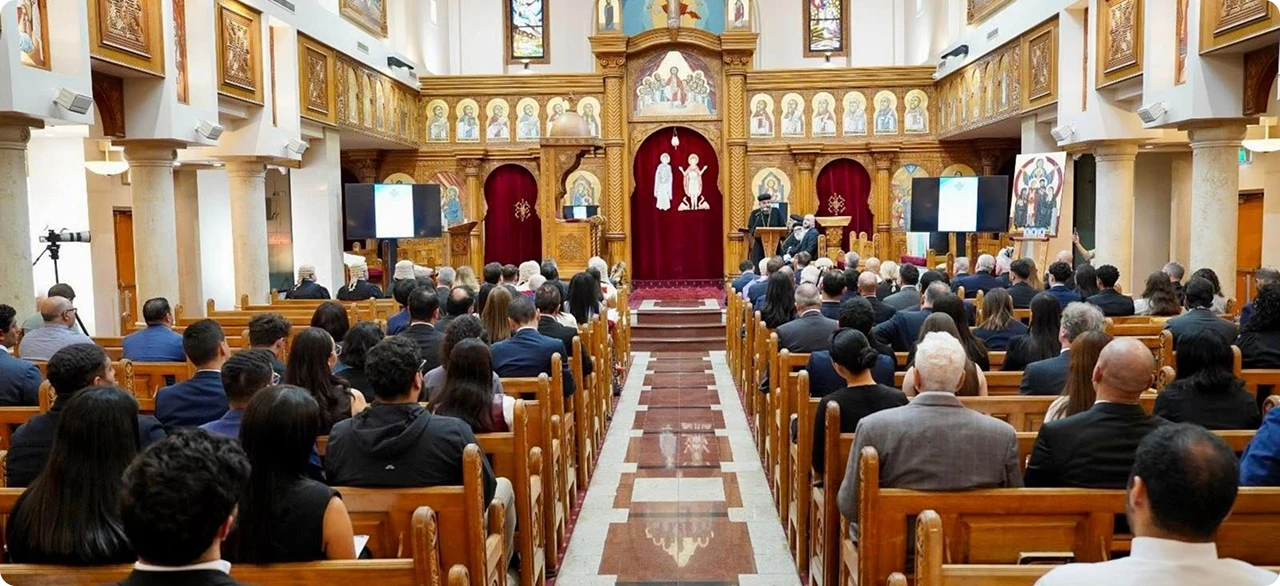
Born in Egypt, the Coptic Church carries a heritage shaped by prayer, sacrifice, learning, and holiness. In Alexandria, the faith was preached, taught, defended, and handed down. In the desert, it was deepened through repentance, stillness, and monastic life. Through generations of saints, patriarchs, monks, martyrs, and faithful families, this ancient Church has remained steadfast in her love for Christ and her commitment to the truth of the Gospel.
The word “Coptic” comes from the Greek word for Egypt, and the word “Orthodox” means right belief and right worship. Together, they speak of a Church deeply connected to the land of Egypt and faithfully devoted to worshipping God in spirit and in truth. The Coptic language itself remains a treasured part of this inheritance, preserved in the prayers, hymns, and liturgical life of the Church as a sign of continuity with the generations that came before us.
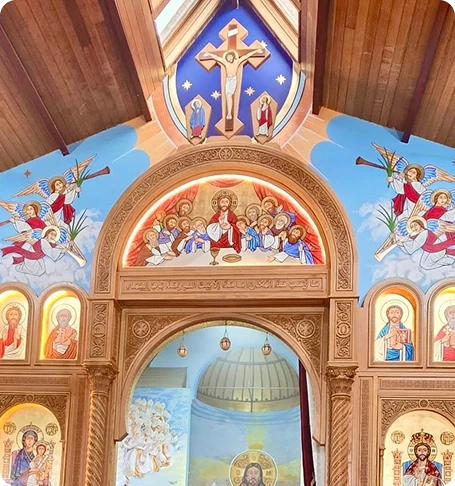
The Coptic Orthodox Church is not simply a community that remembers history. She is a Church that lives it. The same faith preached by Saint Mark continues to be proclaimed. The same spirit of holiness that flourished in the desert still shapes the inner life of the Church. The same reverence for Scripture, liturgy, and sacramental life continues to nourish believers today.
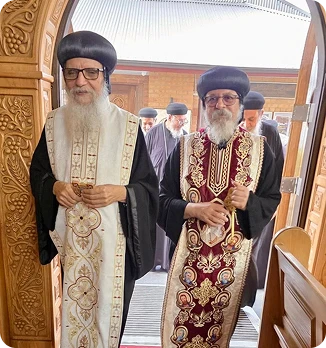
From the early centuries, the Church of Alexandria became a beacon of Christian thought and discipleship. Its theological school formed influential teachers and thinkers, and its witness helped shape Christian doctrine for the wider Church. The Coptic Church also made an enduring contribution to Christian monasticism, with figures such as Saint Anthony the Great, Saint Paul of Thebes, and Saint Pachomius becoming foundational to monastic life across the world.
Yet the beauty of the Church is not found in history alone. It is found in a living relationship with God. In every Divine Liturgy, in every hymn, in every prayer whispered in repentance, and in every act of mercy and service, the Church continues her journey with Christ. She remains a spiritual home where ancient faith is not distant, but alive, where the believer is invited not only to learn about God, but to know Him.
Today, the Coptic Orthodox Church serves faithful communities around the world, carrying the same apostolic faith into new lands and new generations. Though spread across many countries and cultures, the Church remains one in worship, one in doctrine, and one in her longing to lead every soul into communion with Christ.
We are a Church of depth and simplicity, reverence and joy, tradition and living faith. We honour the past not as something finished, but as something entrusted to us, to preserve, to embody, and to pass on with love.
We remain deeply connected to the earliest Christian Church, holding firmly to the teachings passed down from the Apostles.
Our faith is not only remembered, but lived, through worship, sacraments, and a life centred on Christ.
We are a spiritual family open to all, welcoming people from every background into a life of faith, love, and community.
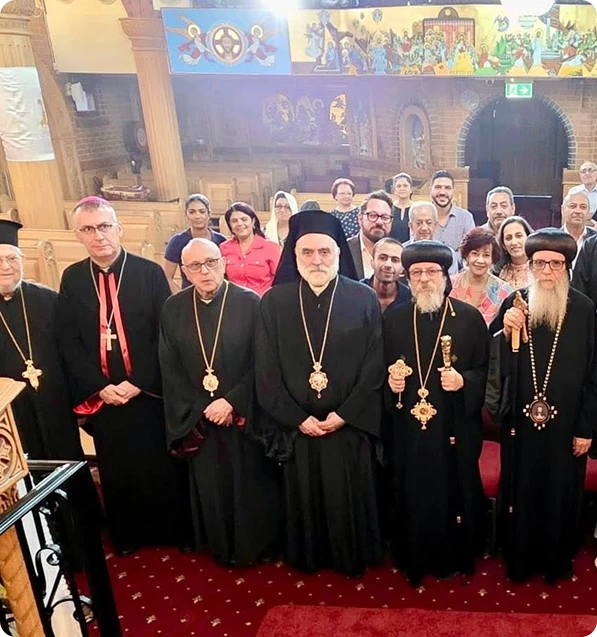
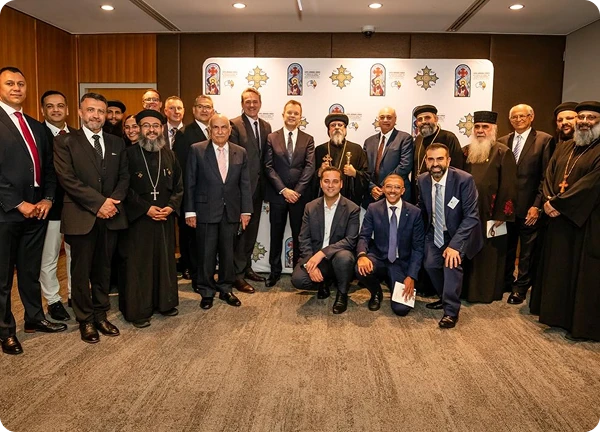
Today, the Coptic Orthodox Church serves communities across Australia and around the world.
We are united not by culture alone, but by a shared faith and purpose, to live in Christ and reflect His love in the world.
Through spiritual guidance, youth programs, family support, and community outreach, the Church continues to be a place of belonging, growth, and service.